The Shift to Net-Zero: Redefining 2026 Modern Architecture
In 2026, sustainable housing has evolved far beyond passive energy saving. Today’s high-end residential projects focus heavily on Embodied Carbon—the environmental footprint of the structural materials themselves. Modern architecture is undergoing a regenerative revolution, where choosing eco-friendly, zero-VOC, and carbon-sequestering materials is no longer an option, but a premium standard that redefines property longevity.
| Material Category | Traditional Choice | 2026 Eco-Alternative | Performance Gain |
|---|---|---|---|
| Structure | Reinforced Concrete | Mass Timber (CLT) | High CO2 Sequestration |
| Insulation | Fiberglass / Foam | Mycelium / Hempcrete | 100% Biodegradable |
| Windows | Double Glazing | Smart Triple Glazing | -40% Thermal Loss |
| Doors & Finishes | VOC-Heavy Paints | KEST Sustainable WPC Systems | 100% Recyclable & Waterproof |
The Hidden Impact of Interior Openings on Embodied Carbon
While structural beams and insulation capture most of the regulatory attention, interior doors and millwork represent a massive cumulative surface area within modern hospitality and residential projects. Traditional solid wood doors often contribute to deforestation, while cheap hollow-core alternatives rely heavily on toxic, VOC-emitting glues that compromise indoor air quality.
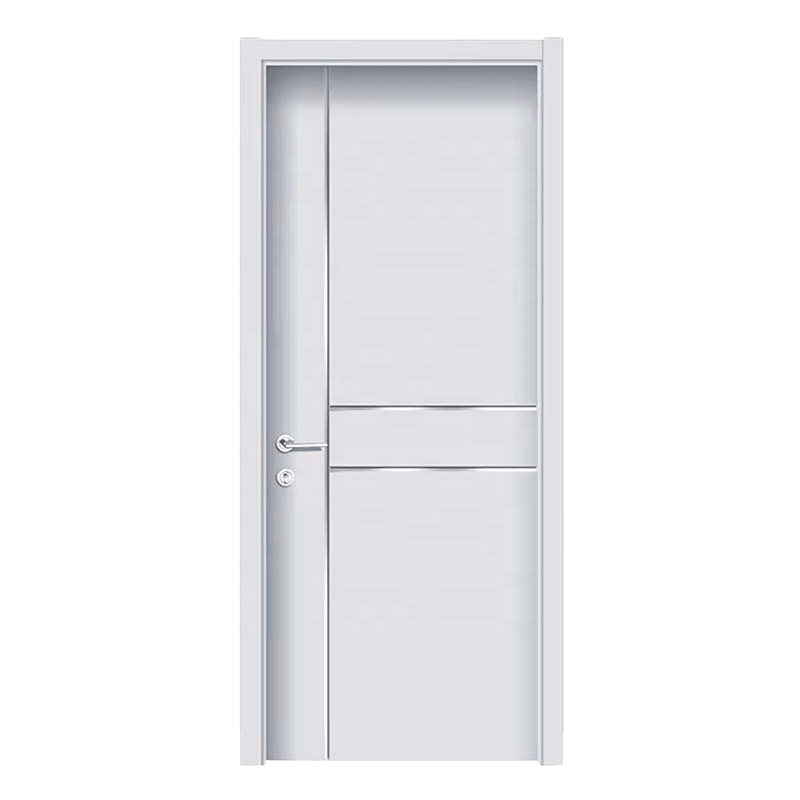
In 2026, switching to engineered WPC (Wood Plastic Composite) door systems allows architects to achieve zero-VOC spaces without sacrificing timber aesthetics. By utilizing upcycled wood fibers combined with eco-polymers, these systems lock in carbon for decades, offering a a material option that may support circular-design goals when recycling routes and material documentation are available that aligns perfectly with LEED and Passive House certifications.
Biophilic Aesthetics: Where Wellness Meets Sustainability
Modern sustainable design successfully merges natural elements with structural functionality. Utilizing organic textures, circadian lighting, and eco-certified interior door systems creates a holistic indoor eco-system. Materials like advanced wood-plastic composites and sustainably sourced timbers not only support lower-emission material strategies when backed by product documentation but also drastically enhance the visual ‘Quiet Luxury’ that high-end real estate buyers actively pursue in 2026.
Ready to Build the Future of Resilient Architecture?
How do WPC door systems compare to traditional timber in humid climates?
Traditional timber doors absorb moisture, leading to warping, swelling, and paint peeling in bathrooms or coastal projects. KEST WPC systems are designed for strong moisture resistance in humid environments; actual performance depends on the selected material, finish, installation, and maintenance.
Do KEST eco-friendly doors meet international building safety standards?
Yes. KEST sustainable door systems are available with model-specific compliance documentation where applicable; requirements must be confirmed for the destination market, making them ready for immediate specification in premium commercial and residential developments.