
Introduction
When upgrading home security, the front door is often the first line of defense. Many homeowners grapple with the decision between investing in a high-security door or sticking with a standard model. This article provides a comprehensive cost-benefit analysis, weighing upfront costs, long-term savings, security features, and aesthetic impact.
Initial Investment: Security Doors vs. Standard Doors
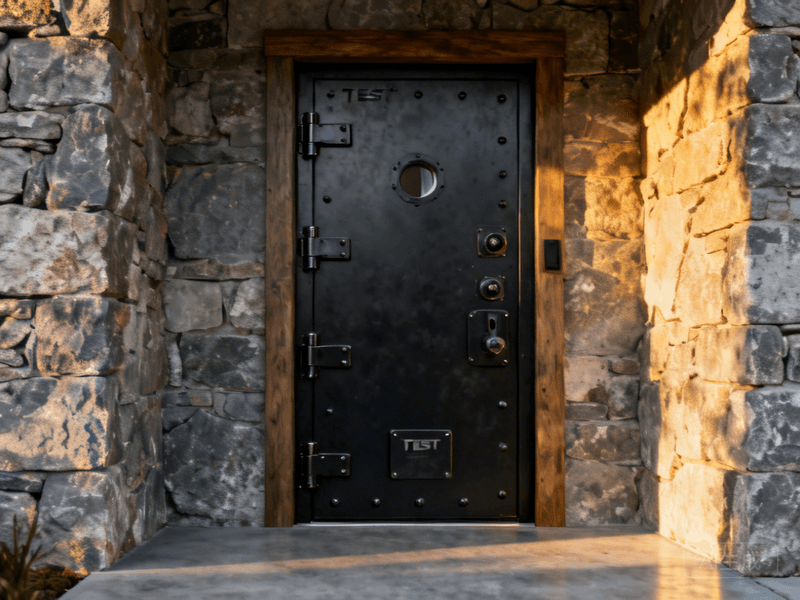
Standard doors typically cost between $200 and $600, including basic installation. In contrast, security doors range from $800 to $2,500 or more for premium models with advanced features. While the upfront price gap is significant, security doors offer enhanced durability and materials like 16- to 18-gauge galvanized steel, thick wood cores, or fiberglass composites reinforced with metal. These materials resist forced entry, warping, and weather damage, reducing the need for frequent replacements.
Security Features: What Sets Them Apart
Standard doors often have hollow cores and simple locks, making them vulnerable to brute force. High-security doors feature multi-point locking systems, deadbolts with hardened steel bolts, anti-pry hinges, and integrated alarm or smart lock capabilities. Many meet or exceed UL 437 safety standards and have resistance to drilling, picking, and bumping. Some models also include impact-resistant glass and reinforced frames. These features drastically reduce the likelihood of successful break-ins.
Energy Efficiency and Maintenance
Insulated security doors can improve energy efficiency by preventing drafts, especially those with polyurethane foam cores and weatherstripping. Standard doors, particularly older or poorly fitted ones, often allow air leakage, raising heating and cooling costs. Additionally, security doors require less maintenance over time; their robust finishes resist peeling, rotting, and insect damage. A standard wood door may need repainting every few years, while a steel security door only occasional cleaning.
Insurance Premiums and Home Value
Many insurance companies offer discounts (up to 20%) for homes with approved security doors, potentially saving hundreds per year. Over the door’s lifespan, these savings can offset the initial investment. Moreover, a high-quality security door can increase property value, making it a smart upgrade for resale. Standard doors, while necessary, do not provide the same return.
Aesthetic Considerations
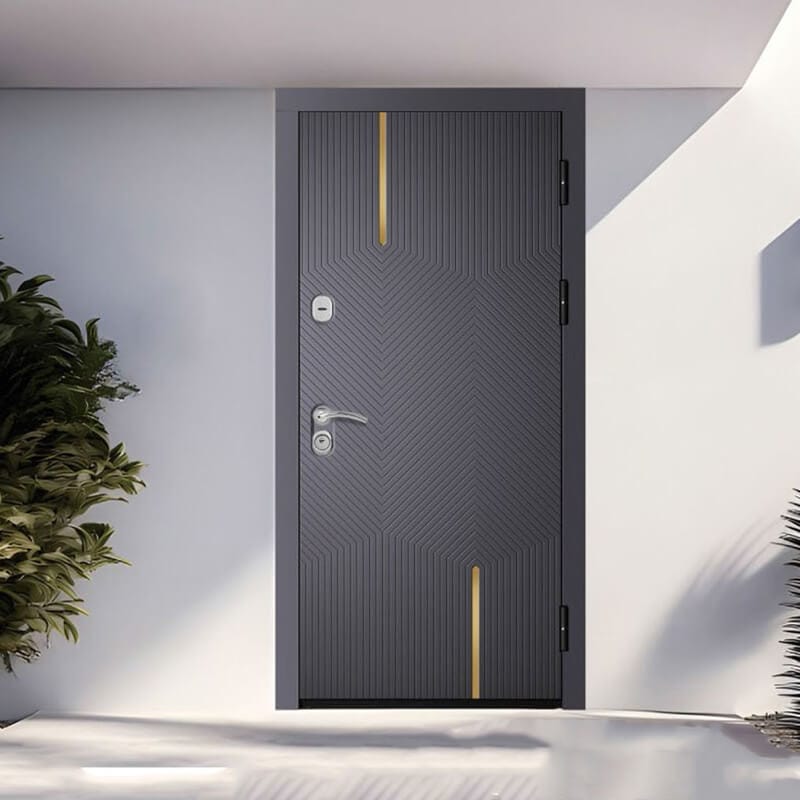
Modern security doors are available in a wide range of styles, colors, and finishes, including options that mimic wood grain. Manufacturers now offer decorative glass, grilles, and paneling to match architectural designs. Standard doors may offer more variety but lack the robust security core. Homeowners no longer have to sacrifice curb appeal for safety.

Installation Complexity
Standard doors can often be installed as a DIY project if the frame is in good condition. Security doors require precise installation to ensure the locking mechanisms and anchors are correctly fitted; improper installation can compromise protection. Professional installation is recommended, adding $200–$500 to the cost. However, many dealers include installation in the price or use qualified installers.
Long-Term Value Analysis
Let’s consider a 20-year perspective. Assume a standard door costs $400 initially and is replaced every 10 years due to wear, totaling $800 over 20 years. A security door costs $1,500 (including installation) and lasts 20 years with minor upkeep. Property crime statistics show that homes without enhanced security are 250% more likely to be burglarized. The cost of a break-in (theft, damage, and emotional impact) often exceeds $2,000 on average. Over 20 years, the security door’s protection could save thousands in losses, plus insurance discounts. Thus, the security door is the cost-effective choice.
FAQ Section
Are security doors worth the higher initial cost?
Yes. When factoring in long-term durability, reduced risk of burglary, insurance discounts, and energy savings, security doors provide a higher return on investment than standard doors.
Do security doors require special maintenance?
Minimal maintenance is needed. Regular cleaning with mild soap and water, lubricating locks annually, and checking weatherstripping ensures optimal performance. Unlike wood, steel or fiberglass doors do not need frequent painting.
Can I install a security door myself?
While possible for experienced DIYers, professional installation is recommended to ensure proper anchoring and lock alignment, which are critical for security.
Will a security door lower my homeowner’s insurance premium?
Many insurers offer discounts for homes with recognized security features, including security doors. Check with your provider for specific savings, which can be up to 20%.
How do security doors affect curb appeal?
Modern security doors come in diverse styles and finishes that can enhance a home’s exterior, often indistinguishable from standard doors while providing superior protection.